

Lest We Forget
29 April, 2013

A poignant day for all New Zealanders and Australians today - ANZAC Day.
Karyn writes:
I felt privileged and quite emotional the day I visited ANZAC Cove at Gallipoli (some pictures below) with my eldest daughter Lydia. I had travelled to Anatalya for the Junior Chamber (Jaycee) World Congress in my role of Past World President. We deliberately travelled early as I have long wished to visit this scared place for all New Zealanders.
I chose not to go there on ANZAC Day, rather it was a very quiet day in November - a brisk day and quite isolated too. It leaves you with quite a sense of desolation and loss when you see the countless white stone graves of sons, husbands, fathers. As was explained to me by my guide, this is not where these lost men are buried as many could not be identified or found so in fact lie somewhere under the now green grass of the Peninsula.
One of the most striking things for me was the fact that we were the "invaders", the "enemy", yet the respect that is paid to our soldiers (and the memory of Gallipoli) by the Turkish people is truly humbling.
Looking at the cliff faces that our men had to scale - and the beach where they landed - the sense of the almost impossibility of the task so real, with today's knowledge and learning of what transpired. How could they have not felt fear - I do not know.
I do know what stays with me to this day was the silence - no birdsong. The Turkish government has also honoured this place - the gardens are beautiful - but no bird sang. The silence was eerie and unnerving.
I brought home some pebbles from the beach where our brave souls landed - so many never to return. Such sadness and such loss for so many, so far away. We should always remember and pay respect - they fought and died for what they believed in. Brave, brave men.
For our overseas readers who might not know about ANZAC Day and its significance please let me explain:
On 25 April 1915, eight months into the First World War, Allied soldiers landed on the shores of the Gallipoli Peninsula. This was Turkish territory that formed part of Germany's ally, the Ottoman Empire. The troops were there as part of a plan to open the Dardanelles Strait to the Allied fleets, allowing them to threaten the Ottoman capital Constantinople (now Istanbul) and, it was hoped, force a Turkish surrender. The Allied forces encountered unexpectedly strong resistance from the Turks and both sides suffered enormous loss of life.
The forces from New Zealand and Australia, fighting as part of the ANZAC (Australian and New Zealand Army Corps) played an important part in the Gallipoli campaign. At its beginning, people at home greeted with excitement the news that our soldiers were at last fully engaged in the war. New Zealand soldiers distinguished themselves with their courage and skill, establishing an enduring bond with the Australians they fought alongside.
The Gallipoli campaign was, however, a costly failure for the Allies, who after nine months abandoned it and evacuated their surviving troops. Almost a third of the New Zealanders taking part had been killed; the communities they came from had counted the cost in the lengthy casualty lists that appeared in their newspapers. And the sacrifice seemed to have been in vain, for the under-resourced and poorly-conducted campaign did not have any significant influence on the outcome of the war.
Although Anzac Day, the anniversary of the first day of conflict, does not mark a military triumph, it does remind us of a very important episode in New Zealand's history. Great suffering was caused to a small country by the loss of so many of its young men. But the Gallipoli campaign showcased attitudes and attributes - bravery, tenacity, practicality, ingenuity, loyalty to King and comrades - that helped New Zealand define itself as a nation, even as it fought unquestioningly on the other side of the world in the name of the British Empire.
After Gallipoli, New Zealand had a greater confidence in its distinct identity, and a greater pride in the international contribution it could make. And the mutual respect earned during the fighting formed the basis of the close ties with Australia that continue today.
ANZAC NUMBERS
260 - days of the Gallipoli Campaign
8556 - NZ forces landed: 4852 NZ forces wounded, 2721 NZ forces fatalities
8709 - Australian forces fatalities
33,072 - fatalities from all British forces
10,000* - French fatalities
87,000* - Turkish fatalities
*Estimated number
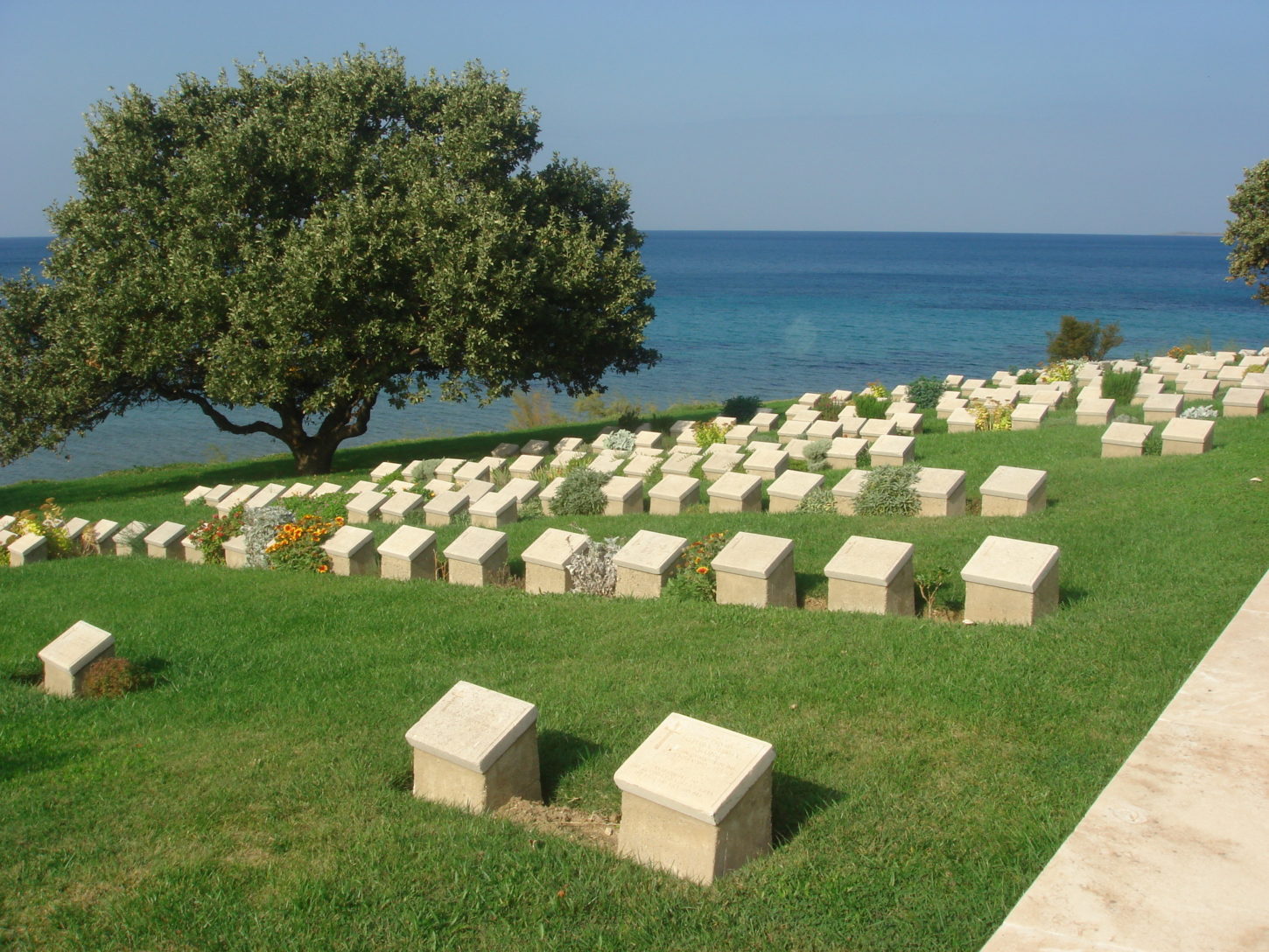
JUST SOME OF THE THOUSANDS OF GRAVES
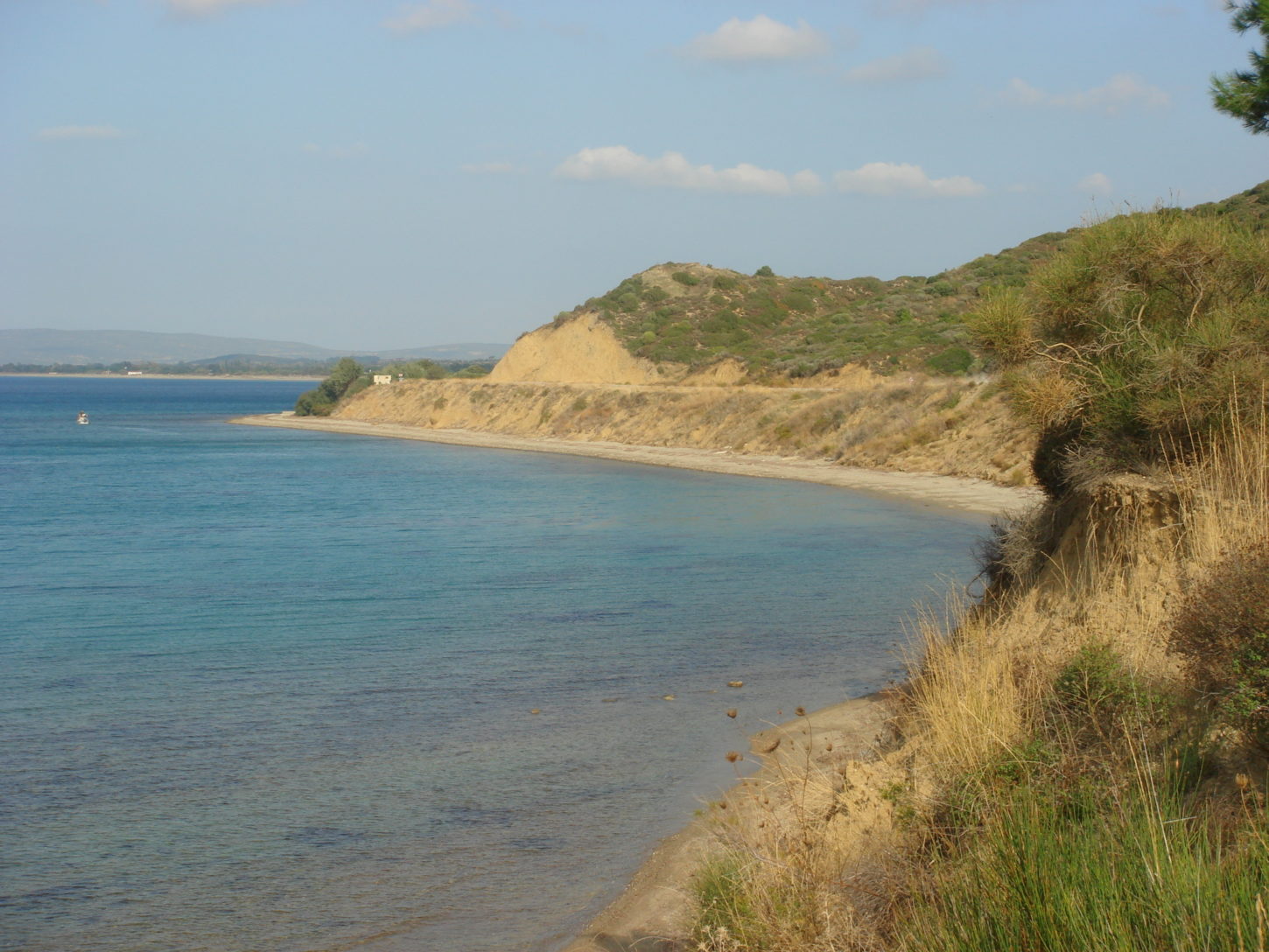
THEY MAY NOT LOOK SHEER, BUT THE CLIFF FACES SCALED BY OUR TROOPS WERE
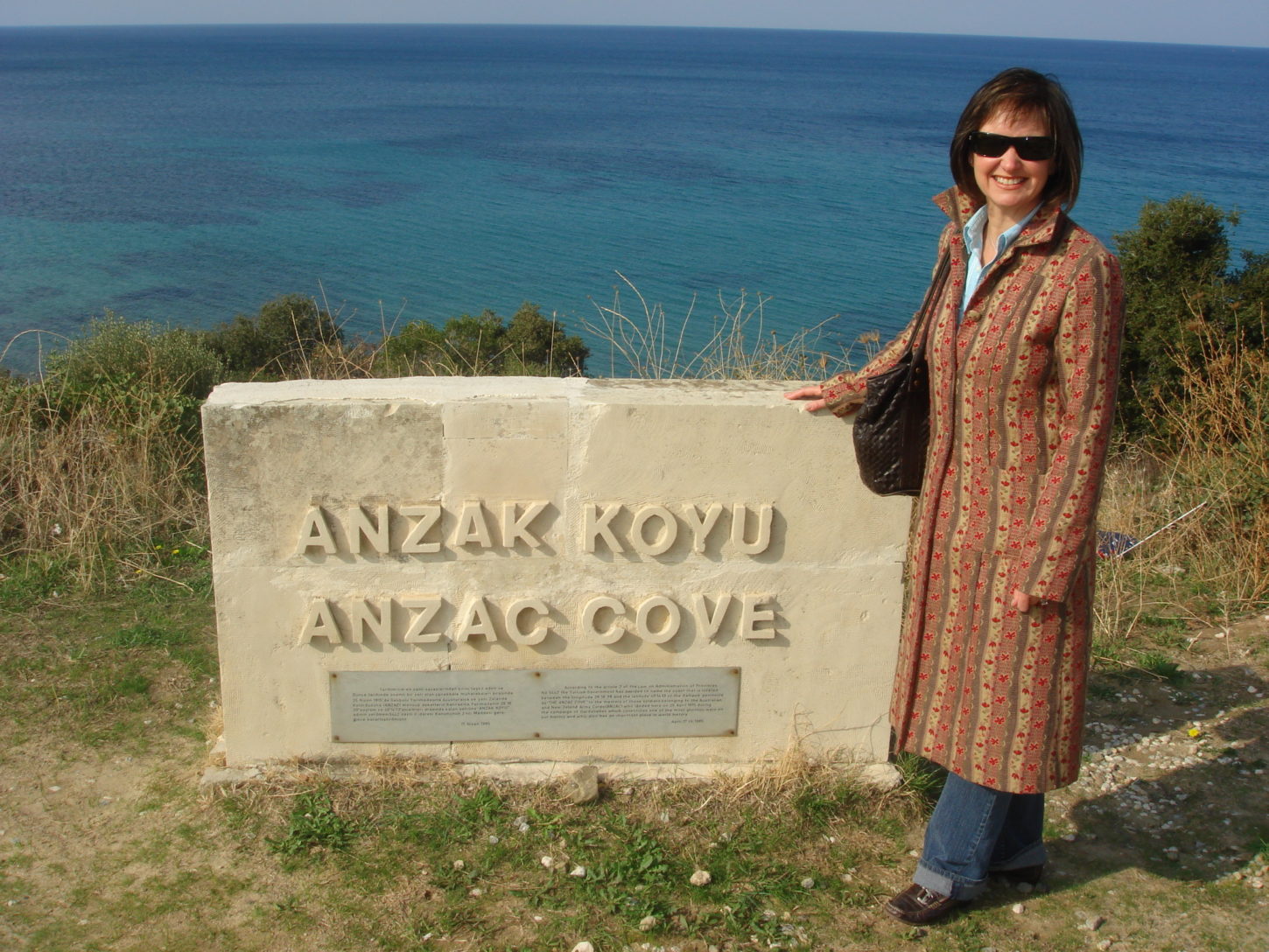
THE SPOT ABOVE WHERE OUR TROOPS LANDED
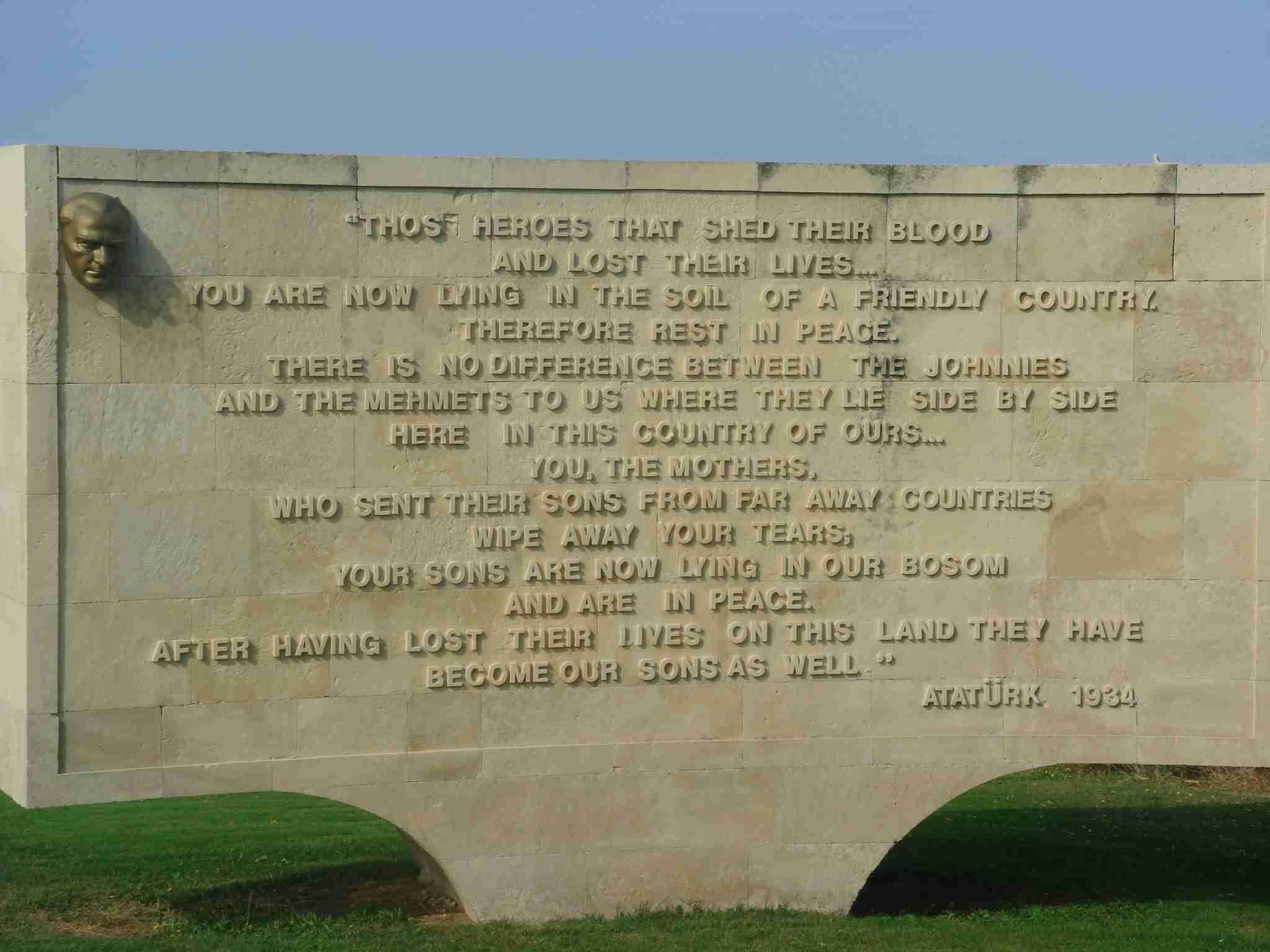
ONE OF MANY COMMEMORATIONS
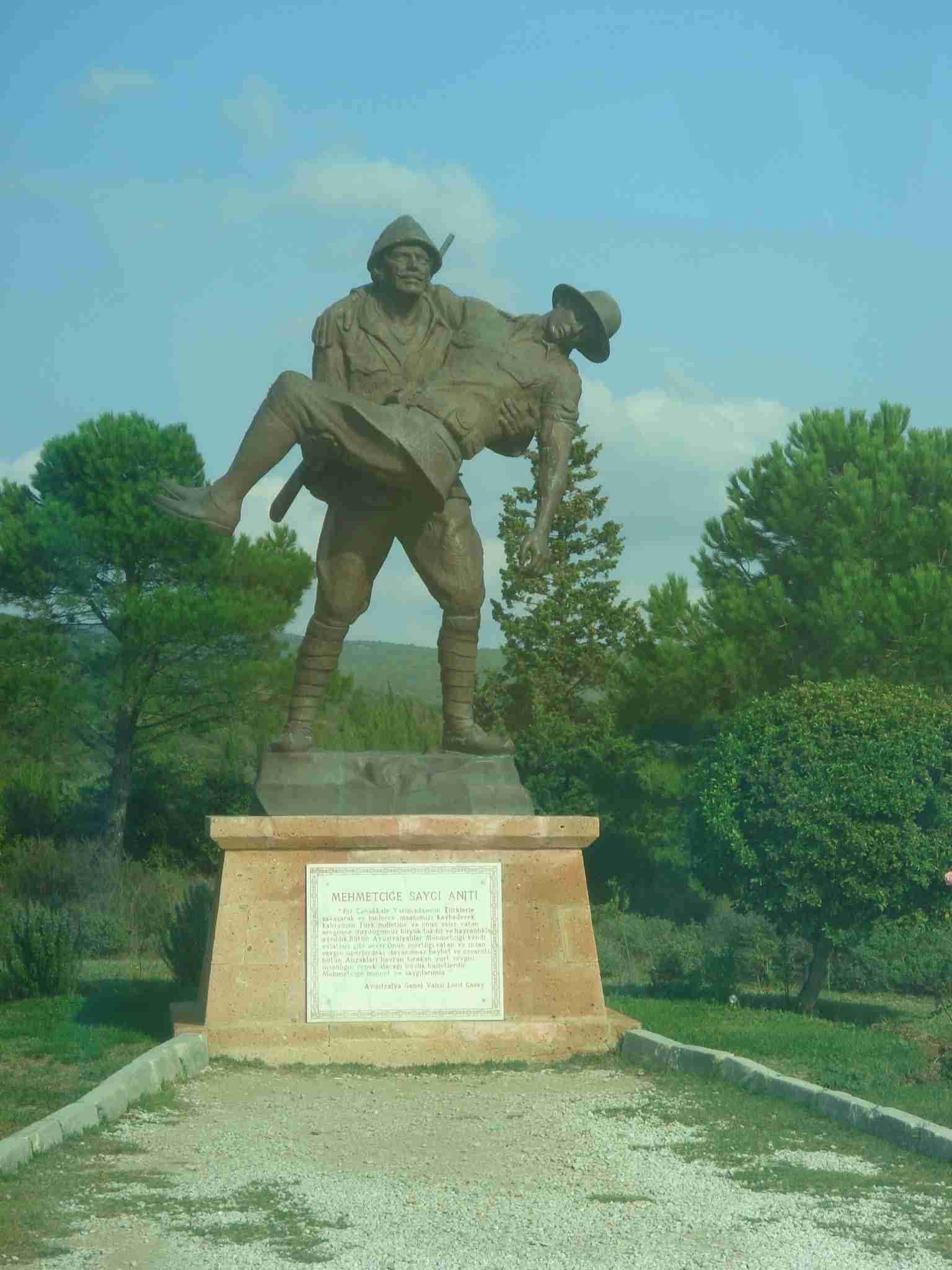
THE TURKISH GOVERNMENT HONOURS THE FALLEN "ENEMY"
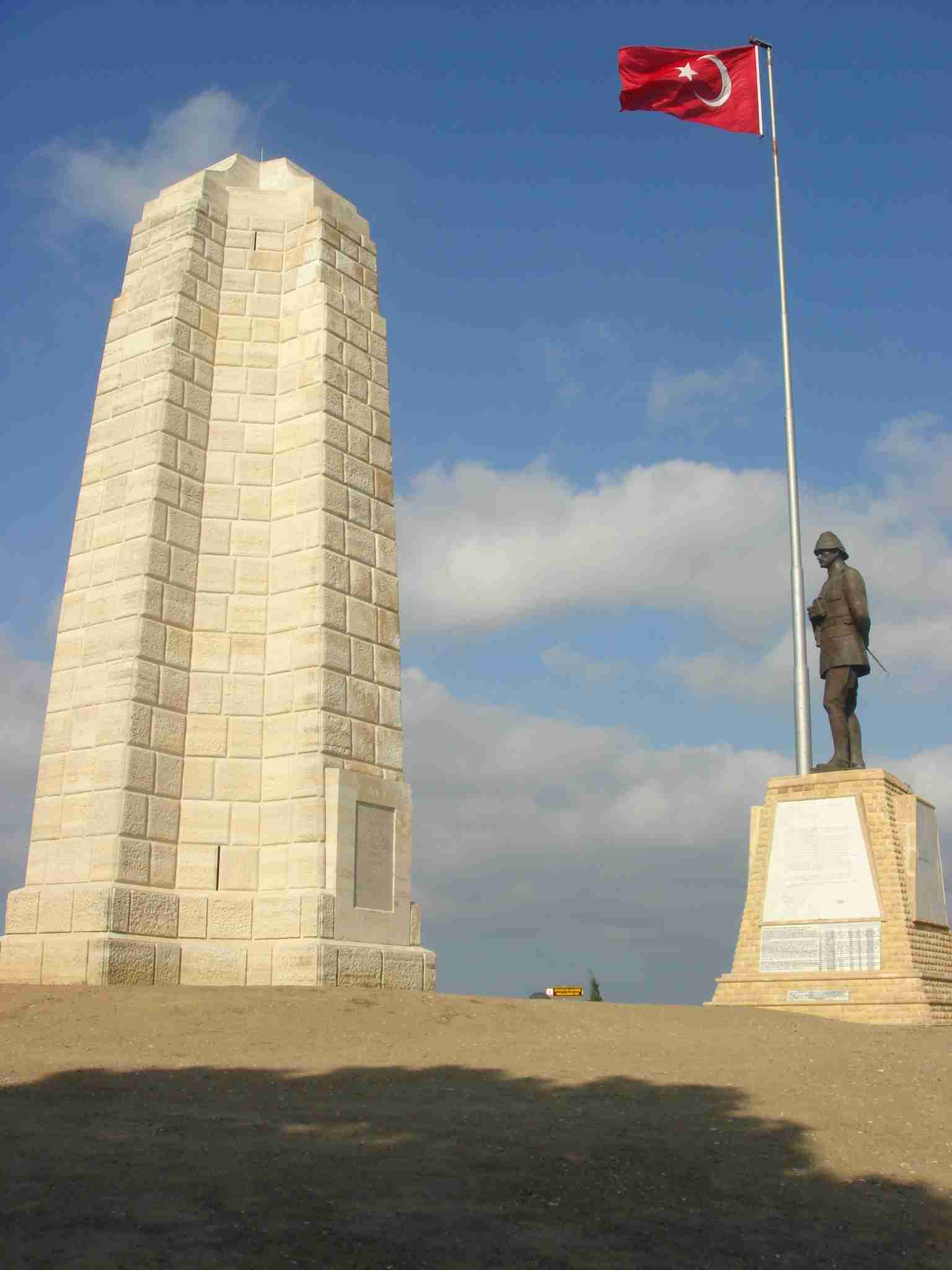
THE MONUMENT TO THE NEW ZEALANDERS - GUARDED BY A TURKISH SOLDIER